Creating a productive home office environment is essential for anyone working remotely or managing tasks from home. With the right setup and some thoughtful habits, you can improve your focus, reduce distractions, and enjoy your workday more. In this post, we’ll share practical tips to help you design a home office that supports your best work.
Why a Productive Home Office Matters
Working from home offers flexibility, but it also comes with challenges like distractions or a lack of routine. A well-designed workspace can set the tone for your day, helping you stay organized and motivated. When your home office is comfortable and efficient, it’s easier to separate work time from personal time, improving both productivity and work-life balance.
Choose the Right Location
Find a Dedicated Space
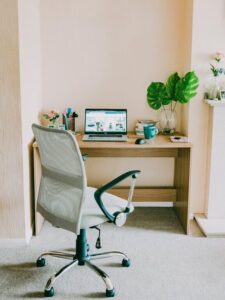
If possible, select a specific area in your home for your office. This doesn’t have to be a full room; a quiet corner or section of a room can work. Having a dedicated spot helps your brain associate that area with work, making it easier to focus.
Consider Natural Light
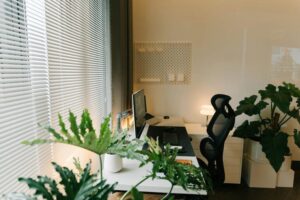
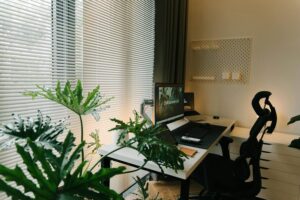
Natural light improves mood and energy, so pick a spot near a window if you can. Position your desk to avoid glare on your computer screen but still enjoy daylight. If natural light is limited, invest in quality lighting that mimics daylight for the best effect.
Invest in Comfortable and Functional Furniture
Ergonomic Chair and Desk
Comfort is key when you spend hours at a desk. Choose an ergonomic chair that supports your back and encourages good posture. Your desk should be the right height to keep your arms and wrists comfortable while typing or writing.
Declutter Your Workspace
Keep your desk clean and organized to reduce mental clutter. Use storage solutions like shelves, drawers, or bins to store supplies and documents. A tidy workspace can help minimize distractions and increase your efficiency.
Organize with Purpose
Arrange Items Within Reach
Place frequently used items like pens, notebooks, and chargers within arm’s reach. This minimizes interruptions when you’re focused on tasks.
Use Digital Tools
Digital organization tools such as calendars, to-do lists, and project management apps can help keep your tasks on track. Sync these tools across devices for easy access wherever you work.
Manage Noise and Distractions
Reduce Background Noise
If noise is an issue, consider noise-canceling headphones or white noise machines. Alternatively, playing soft instrumental music might help maintain concentration.
Set Boundaries
Inform family members or roommates about your work hours to limit interruptions. Using a “do not disturb” sign on your office door can serve as a clear signal that you need focused time.
Personalize Your Space
Add Inspiring Touches
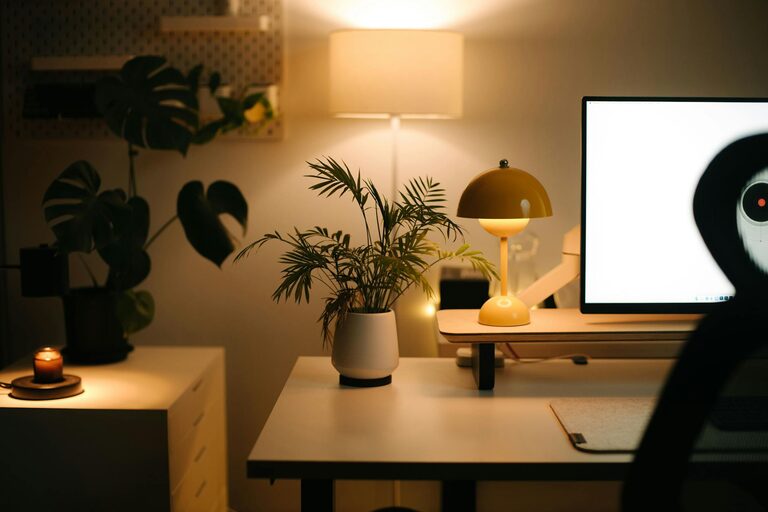
Include items that motivate you, such as artwork, plants, or meaningful photos. A pleasant environment encourages creativity and makes your workspace inviting.
Maintain Good Air Quality
Ventilate your workspace regularly and, if possible, add indoor plants that improve air quality. Fresh air can boost your energy and help you stay alert.
Establish a Routine
Set Work Hours
Define your work hours and stick to them. Having a clear start and end time helps structure your day and avoid burnout.
Take Scheduled Breaks
Short breaks improve concentration and reduce fatigue. Use techniques like the Pomodoro method (25 minutes of work followed by a 5-minute break) to maintain productivity throughout the day.
Optimize Technology
Reliable Internet Connection
A stable internet connection is crucial for remote work. If needed, upgrade your plan or use a wired connection to improve speed and reliability.
Organize Your Workspace Digitally
Keep your computer desktop and files neatly organized to avoid stress and save time searching for important documents.
Final Thoughts
Creating a productive home office environment doesn’t require a complete renovation or expensive equipment. By choosing the right location, organizing your space, reducing distractions, and maintaining healthy routines, you can create a workspace that enhances your productivity and enjoyment. Take the time to make your home office work for you, and you’ll likely see improvements in your work quality and overall well-being.