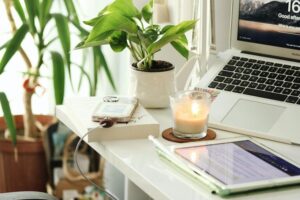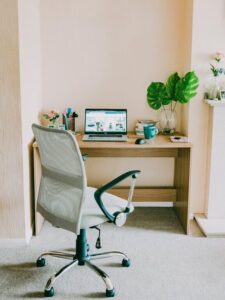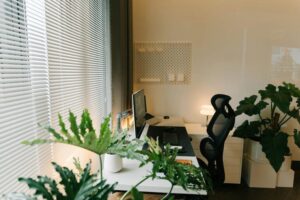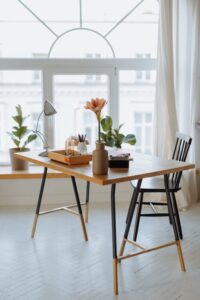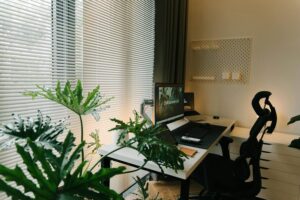
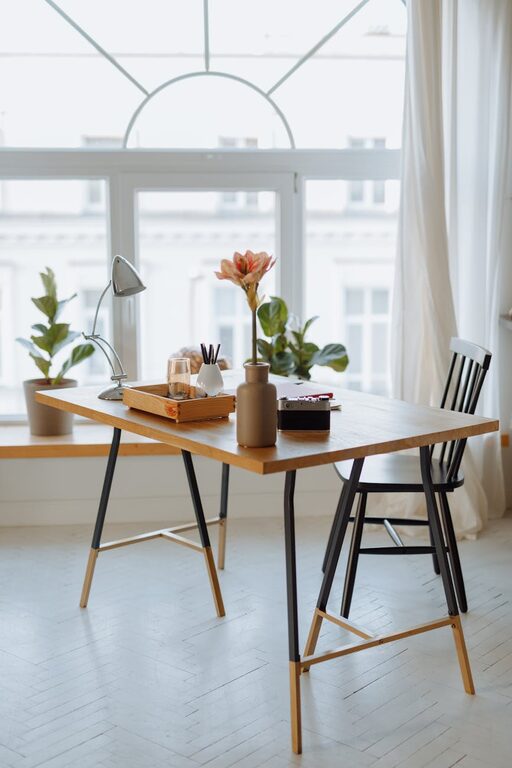
Creating a relaxing home office environment is essential for maintaining productivity and well-being while working remotely. A thoughtfully designed workspace can help you stay focused, reduce stress, and balance work with personal comfort. Whether you have a dedicated room or a small nook, there are plenty of simple ways to transform your area into a calming office.
Why a Relaxing Home Office Matters
Spending hours in a cluttered or uncomfortable space affects your mood and efficiency. A home office that feels inviting and organized can boost creativity and help you manage work-related stress. By optimizing your environment, you create clear boundaries between work and relaxation, contributing to a healthier work-life balance.
Choose the Right Location
Before setting up your office, consider where it will be most effective for your needs.
– Natural Light: Select a spot near a window when possible. Natural light improves focus and mood.
– Minimal Distractions: Choose a quiet area away from household noise and high-traffic zones.
– Adequate Space: Ensure there is enough room for your desk, chair, and work essentials without overcrowding.
Invest in Ergonomic Furniture
Comfort is key to staying productive without feeling fatigued.
– Supportive Chair: A chair with adjustable height, lumbar support, and comfortable padding helps prevent back pain.
– Proper Desk Height: Your desk should allow your elbows to rest at about a 90-degree angle with your wrists straight while typing.
– Footrest: Using a footrest can improve circulation and posture during long hours of sitting.
Organize and Declutter
A clutter-free space keeps your mind clear and reduces anxiety.
– Use Storage Solutions: Invest in drawers, shelves, or storage bins to keep supplies and documents neatly tucked away.
– Daily Clean-Up: Dedicate a few minutes at the end of your workday to tidy your desk.
– Cable Management: Use clips or sleeves to keep cords organized and out of sight.
Incorporate Calming Colors and Decorations
Colors and decor affect your mood and focus.
– Choose Soft, Neutral Colors: Shades like light blue, green, or beige create a soothing atmosphere.
– Add Personal Touches: Photos, plants, or artwork can make the space more inviting without overwhelming it.
– Limit Cluttered Walls: Avoid too many posters or decorations that may distract you.
Enhance Lighting
Proper lighting reduces eye strain and boosts alertness.
– Task Lighting: A desk lamp with adjustable brightness helps focus on work without glare.
– Use Curtains or Blinds: Controlling natural light prevents harsh sun rays that can cause discomfort.
– Avoid Overhead Fluorescent Lights: Replace them with warmer bulbs or fixtures for a cozy feel.
Integrate Nature Elements
Bringing nature inside helps relax your mind.
– Houseplants: Even small plants improve air quality and provide a visual break.
– Natural Materials: Wooden furniture or accessories can add warmth and texture.
– Open a Window: If weather permits, fresh air circulation refreshes the room.
Manage Noise Levels
Minimizing distracting sounds helps maintain concentration.
– Headphones or Earplugs: Use noise-cancelling headphones with soft music or ambient sounds.
– Soft Background Music: Certain instrumental or nature sounds can enhance focus.
– Soundproofing: Rugs, curtains, and wall hangings absorb sound and reduce echo.
Maintain a Comfortable Temperature
Temperature affects your comfort and ability to work.
– Use a Fan or Heater: Adjust the room temperature to your preference without extremes.
– Dress in Layers: This allows you to adapt quickly if the temperature fluctuates.
– Keep Hydrated: Drinking water regularly also helps you stay alert and comfortable.
Set Clear Boundaries
Define your workspace mentally and physically to help separate work from home life.
– Signage or Dividers: Use room dividers or signs when working in shared spaces.
– Regular Breaks: Step away from your desk to stretch or take a short walk.
– Consistent Schedule: Maintaining regular work hours helps your brain switch modes.
Final Thoughts
Creating a relaxing home office environment is about blending comfort, organization, and personal style. By paying attention to lighting, furniture, clutter, and ambiance, you set yourself up for a productive and pleasant work experience. Remember that small changes can make a significant difference in how you feel and perform throughout your workday. Prioritize your well-being to enjoy the benefits of remote work to the fullest.