Creating a productive home office environment is essential for anyone working remotely or managing tasks from home. A well-designed workspace can boost your focus, reduce distractions, and help maintain a healthy work-life balance. In this post, we’ll explore practical tips to help you set up an ideal home office that supports productivity and comfort.
Why a Productive Home Office Matters
Your home office is more than just a place to work — it sets the tone for your day, influences your motivation, and affects how efficiently you complete tasks. Without a dedicated, organized space, it’s easy to get distracted or feel overwhelmed. Investing time and effort into creating a productive environment can make remote work enjoyable and effective.
Choosing the Right Location
Find a Quiet Spot
Select a space in your home that minimizes noise and interruptions. If possible, choose a room with a door you can close to separate work from personal life. Avoid high-traffic areas like the kitchen or living room where distractions are frequent.
Consider Natural Light
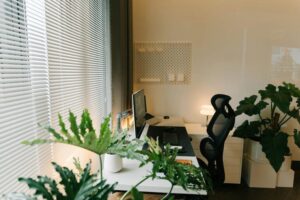
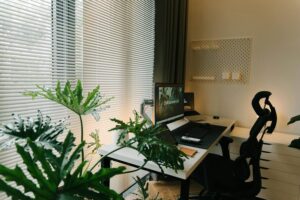
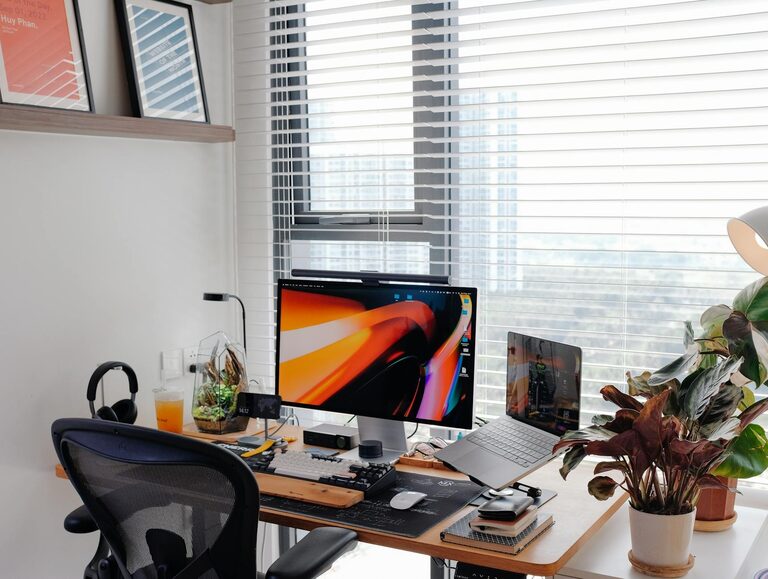
Natural light can improve mood and energy levels. Position your desk near a window to benefit from daylight. If natural light is limited, use adjustable, bright lighting that mimics daylight to reduce eye strain and keep you alert.
Designing Your Workspace
Invest in Ergonomic Furniture
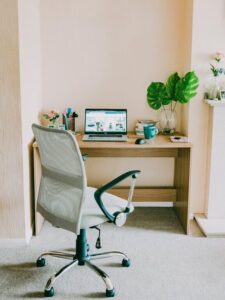
Comfort is key for long work hours. Choose a supportive chair that encourages good posture and a desk at the right height for typing and writing. Ergonomic furniture helps prevent back and neck pain while improving focus.
Keep Your Desk Organized
A clutter-free desk reduces stress and makes it easier to find what you need. Use desk organizers, drawers, or shelves to keep supplies neat. Only keep essential items on the desktop to maintain a clean and inviting workspace.
Personalize Your Space
Add a few personal touches like photos, plants, or artwork. These elements make your office feel welcoming and can boost your mood. However, avoid too many decorations that might distract you from your work.
Technology Tips for Efficiency
Reliable Internet and Equipment
Ensure you have a fast and stable internet connection. Invest in quality equipment such as a computer, headphones, and external monitors to enhance your work experience. Keep software and devices updated for security and performance.
Use Productivity Tools
Leverage apps and tools designed to improve workflow, such as task managers, calendars, and note-taking applications. Automate repetitive tasks when possible to save time and reduce errors.
Establishing Healthy Work Habits
Set a Daily Schedule
Create a routine with specific start and end times. Consistency helps train your brain to focus during work hours and relax afterward. Use breaks wisely to stretch, hydrate, and rest your eyes.
Minimize Distractions
Turn off non-essential notifications on your phone and computer. If family members are home, communicate your work hours and ask for quiet time to maintain concentration.
Take Care of Your Well-being
Standing desks or periodic standing breaks can improve circulation. Incorporate simple exercises or stretches throughout the day. Stay hydrated and eat nourishing meals to keep energy levels up.
Optimizing for Different Work Styles
For Collaborative Work
If your job requires frequent video calls or meetings, position your desk against a neutral background with good lighting. Have headphones and a microphone ready to maintain clear communication.
For Creative Tasks
Create an inspiring environment with mood boards, color accents, or access to creative materials. A flexible workspace where you can move around or change positions may help stimulate ideas.
Final Thoughts
Building a productive home office environment takes planning and regular adjustments. Keep experimenting with your setup and habits until you find what works best for you. A thoughtful, organized workspace can transform your home into a place where work feels natural, efficient, and even enjoyable.