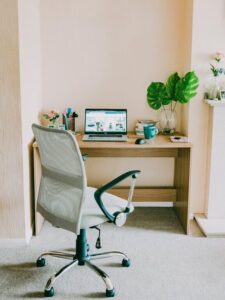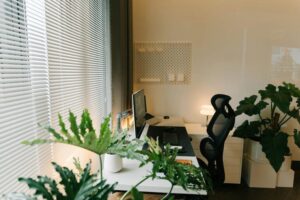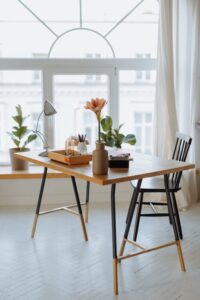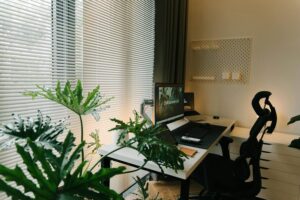
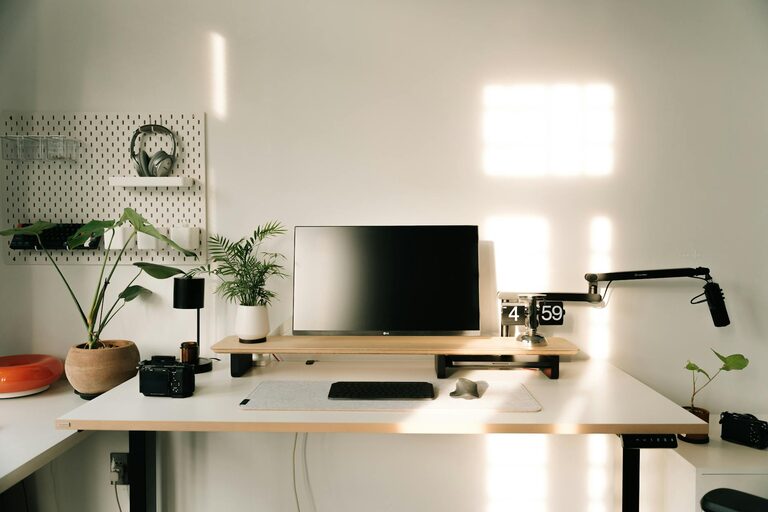
Creating a relaxing home office environment is essential for maintaining productivity and well-being, especially as many people spend significant hours working from home. A calm and comfortable workspace can help reduce stress, improve concentration, and make your workday more enjoyable. Whether you have a small corner or an entire room dedicated to your home office, these practical tips will help you design a space that feels both relaxing and functional.
1. Choose the Right Location
Finding the best spot for your home office sets the foundation for a relaxing environment.
– Natural light: Position your desk near a window to take advantage of natural daylight. Sunlight helps regulate your internal clock and can enhance your mood.
– Quiet space: Opt for a quiet area away from household distractions, such as living room TVs or busy kitchens.
– Separation: If possible, create a dedicated work zone that is separate from personal spaces. This helps your brain associate that area with productivity and focus.
2. Invest in Comfortable Furniture
Comfort plays a major role in how relaxed and efficient you feel throughout the day.
– Ergonomic chair: Choose a chair that supports good posture to avoid back and neck pain. Adjustable features like seat height and lumbar support are ideal.
– Desk size and height: Your desk should fit your needs and allow your arms to rest comfortably while typing or writing. Standing desks or adjustable desks can offer flexibility.
– Additional seating: Consider adding a cozy armchair or a small couch if your office space permits, providing a place to relax during breaks.
3. Declutter and Organize
Physical clutter can create mental clutter. Keeping your workspace tidy promotes a sense of calm.
– Minimal desktop items: Limit what you keep on your desk to essentials only.
– Storage solutions: Use shelves, filing cabinets, or storage boxes to keep documents and supplies out of sight but easy to access.
– Cable management: Organize cables with clips, sleeves, or under-desk trays to reduce visual distractions.
4. Incorporate Calming Colors and Décor
The right colors and décor can influence your mood and productivity.
– Soft color palette: Use soothing colors like light blues, greens, or neutrals on walls and furniture to create a peaceful ambiance.
– Personal touches: Add plants, artwork, or photos that inspire you but avoid overcrowding the space.
– Lighting: Besides natural light, use warm, adjustable lighting. Desk lamps with dimmer settings can help reduce eye strain.
5. Control Noise Levels
Reducing noise distractions helps you maintain focus and reduce stress.
– Soundproofing: Use rugs, curtains, or acoustic panels to absorb sound.
– White noise machines: If external noises persist, a white noise machine or fan can mask distractions.
– Headphones: Noise-canceling headphones are useful for tuning out household sounds or listening to calming music or nature sounds.
6. Maintain Air Quality and Comfort
A fresh and comfortable environment encourages alertness and well-being.
– Ventilation: Open windows regularly or use an air purifier to keep the air fresh.
– Temperature control: Make sure your workspace is neither too hot nor too cold; a small fan or heater can help balance the temperature.
– Plants: Indoor plants not only add color but also improve air quality and reduce stress.
7. Set Up Technology Thoughtfully
Keep technology organized and efficient without it overwhelming your space.
– Monitor placement: Position your computer monitor at eye level to prevent neck strain.
– Wireless devices: Use wireless keyboards, mice, and printers to reduce cable clutter.
– Charging stations: Create a specific spot for charging your devices to keep cords organized.
8. Establish a Routine and Boundaries
Your home office should support your work habits and help maintain work-life balance.
– Set regular hours: Define consistent work hours to maintain a schedule and avoid burnout.
– Break spaces: Step away from your desk for breaks in a different area to mentally recharge.
– Clear start and finish rituals: Begin and end your workday with routines that signal the transition between work and personal time.
—
Creating a relaxing home office environment requires thoughtful planning and attention to comfort, organization, and aesthetics. By applying these tips, you’ll foster a space that enhances your focus and supports your well-being, making your time working from home more pleasant and productive. Take the time to personalize and adjust your office as needed to create the perfect balance between relaxation and efficiency.